

New Testament Scouting
Scouting is reading through the entire New Testament in 4 weeks while watching for specific themes and color coding those texts appropriately. It is recommended that you take this journey with one or two others who are looking for the same themes or who are scouting out their own themes. Meet together to share your findings.
What is a NT Scouting?
Gaining a good understanding of a Biblical topic is uniquely helped by getting a broad exposure to it in its frequency, time and space in the New Testament. Only by this type of broad reading will e gain a proper scope of a concept's frequency, intensity, placement and emphasis for the purpose of understanding and worship
Why do a Scouting?
Love Whom?
Statements calling believers to love God (color 1), love God's family (color 2), love the world
God loves Whom?
Statements about God's love for God (color 1), love for God's family (color 2), or love for the world
Confidence or Caution?
Statements inducing confidence in our security with God as believers (color 1) vs statements inducing caution or uncertainty (color 2)
Actions and Deeds
God's actions (color 1) vs our actions and deeds (color 2)
Obey Because?
Statements of commands being motivated by promises of delight (color 1), warnings (color 2) or straight commands without stated motivation (color 3)
Authority in Text or Men
Statements telling believers to look to Scripture/ Gospel(color 1) vs statements to look to individuals/ leaders (color 2) for authority, doctrine, and interpretation.
Covenants
Statements about New Covenant (color 1), Old Covenant [Law/ Moses](color 2), Abrahamic Covenant (color 3) or any other covenants (color 4)
Credit and Fault
Statements of praise to someone (color 1)vs fault (color 2)
From,To, and By
Statements describing "Fall" (color 1), "Offer" (color 2) or "Payment" (color 3)
Obedient Life, Death and Resurrection
Statements about Jesus perfectly obedient living (color 1), death (color 2) and resurrection (color 2)
Will of God or Man
Things attributed to the Will and Plan of God (color 1) vs the will and plan of humans (color 2)
Prayer Types
Statements about spiritual needs (color 1) vs physical needs (color 2), for believers(color 3) vs unbelievers (color 4), about individual prayer (color 5) or together-prayer [corporate prayer] (color 6)
Disciple Whom
Statements about discipleship of believers (color 1) vs discipling of the unsaved [evangelization/ mission] (color 2)
Church Roles
Statements about deacons (color 1), pastors/ elders (color 2) and apostles (color 3)
Or choose your own!
Choose Themes
Let’s Get Started!
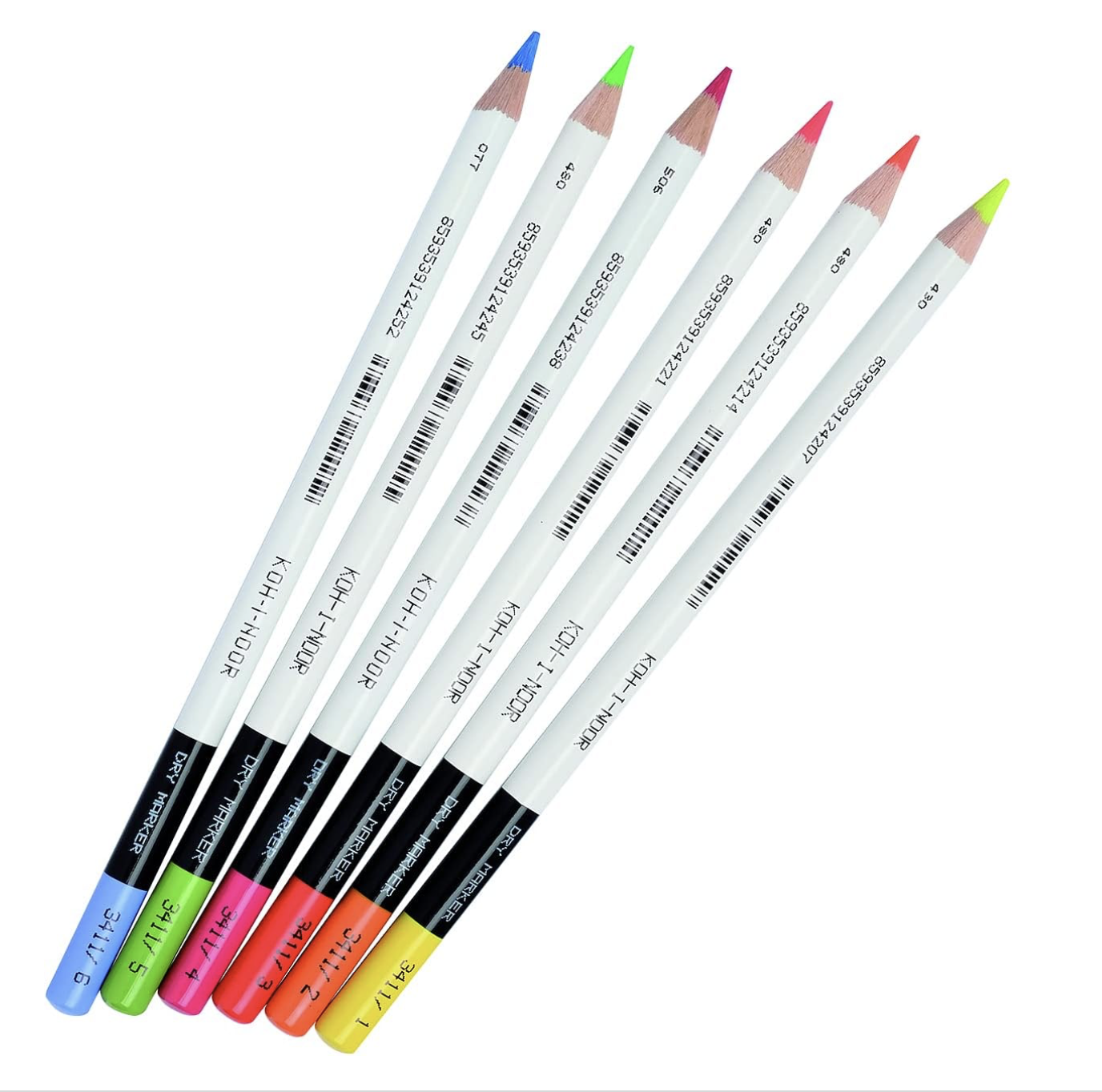
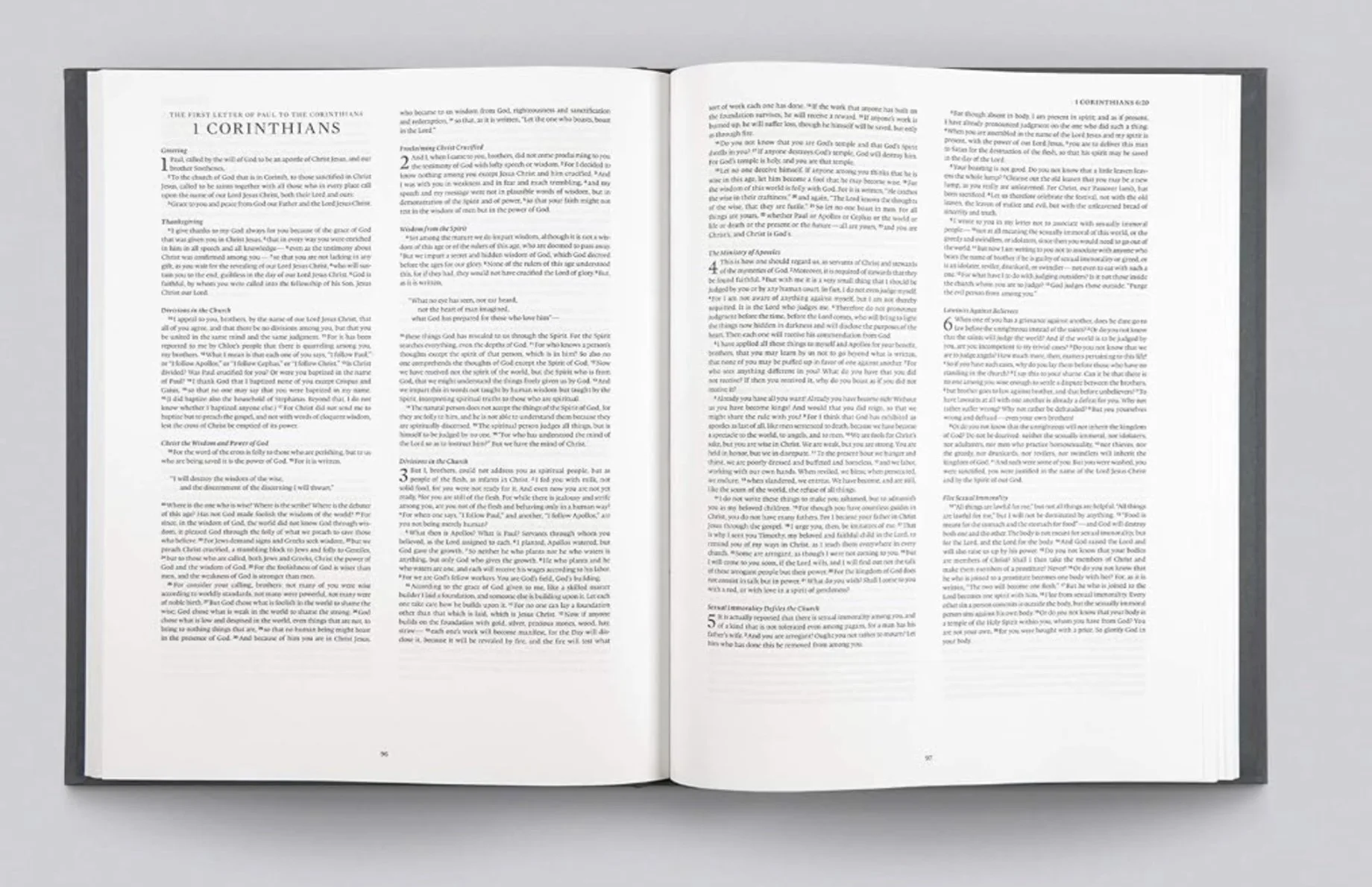
Buy a New Testament to mark up (we suggest this panoramic New Testament) and markers (we suggest these pencils). (other options for New Testaments to use would be this spiral bound copy or this ultra inexpensive and portable copy)
Select your themes and marking colors you will scout for in your reading through the NT (we suggest picking just 1-3 themes max)
Confirm your reading schedule with your partners:
Week 1: Matthew, Acts, Galatians, James
Week 2: Mark, Romans, 1 Corinthians, Titus, Philemon, 1&2 Peter, Jude
Week 3: Luke, 2 Corinthians, Ephesians, Philippians, 1&2 Timothy, Hebrews
Week 4: John, Colossians, 1&2 Thessalonians, 1,2&3 John, Revelations
Aim for a broad exposure, so keep the reading at a faster pace, make appropriate highlights and only make minimal notes.
Summarize your findings at the end and pray through them for learning and worship
Daily reading breakdown by week
Week 1
1
5 Day: Day 1: Matthew 1–13 / Day 2: Matthew 14–27 / Day 3: Matthew 28 / Acts 1–12 / Day 4: Acts 13–26 / Day 5: Acts 27–28 / Galatians 1–6 / James 1–5
7 Day: Day 1: Matthew 1–10 / Day 2: Matthew 11–19 / Day 3: Matthew 20–28 / Day 4: Acts 1–10 / Day 5: Acts 11–20 / Day 6: Acts 21–28 / Galatians 1–2 / Day 7: Galatians 3–6 / James 1–5
Week 2
2
5 Day: Day 1:Mark 1–12 / Day 2: Mark 13–16 / Romans 1–8 / Day 3: Romans 9–16 / 1 Corinthians 1–4 / Day 4: 1 Corinthians 5–16 / Day 5: Titus 1–3 / Philemon 1 / 1 Peter 1–5 / 2 Peter 1–3 / Jude 1
7 Day: Day 1: Mark 1–9 / Day 2: Mark 10–16 / Romans 1–2 / Day 3: Romans 3–11 / Day 4: Romans 12–16 / 1 Corinthians 1–4 / Day 5: 1 Corinthians 5–13 / Day 6: 1 Corinthians 14–16 / Titus 1–3 / Philemon 1 / 1 Peter 1–2 / Day 7: 1 Peter 3–5 / 2 Peter 1–3 / Jude 1
Week 3
3
5 Day: Day 1: Luke 1–14 / Day 2: Luke 15–24 / 2 Corinthians 1–4 / Day 3: 2 Corinthians 5–13 / Ephesians 1–5 / Day 4: Ephesians 6 / Philippians 1–4 / 1 Timothy 1–6 / 2 Timothy 1–3 / Day 5: 2 Timothy 4 / Hebrews 1–13
7 Day: Day 1: Luke 1–10 / Day 2: Luke 11–20 / Day 3: Luke 21–24 / 2 Corinthians 1–6 / Day 4: 2 Corinthians 7–13 / Ephesians 1–3 / Day 5: Ephesians 4–6 / Philippians 1–4 / 1 Timothy 1–3 / Day 6: 1 Timothy 4–6 / 2 Timothy 1–4 / Hebrews 1–3 / Day 7: Hebrews 4–13
Week 4
4
5 Day: Day 1: John 1–10 / Day 2: John 11–21 / Colossians 1–4 / 1 Thessalonians 1–5 / Day 3: 2 Thessalonians 1–3 / 1 John 1–5 / 2 John / 3 John / Revelation 1–6 / Day 4: Revelation 7–14 / Day 5: Revelation 15–22
7 Day: Day 1: John 1–7 / Day 2: John 8–15 / Day 3: John 16–21 / Colossians 1–4 / 1 Thessalonians 1–5 / 2 Thessalonians 1–3 / Day 4: 1 John 1–5 / 2 John / 3 John / Revelation 1–3 / Day 5: Revelation 4–9 / Day 6: Revelation 10–15 / Day 7: Revelation 16–22